

 Canada (CAD)
 France (EUR)
 Germany (EUR)
 Italia (EUR)
 Spain (EUR)
 UK (GBP)
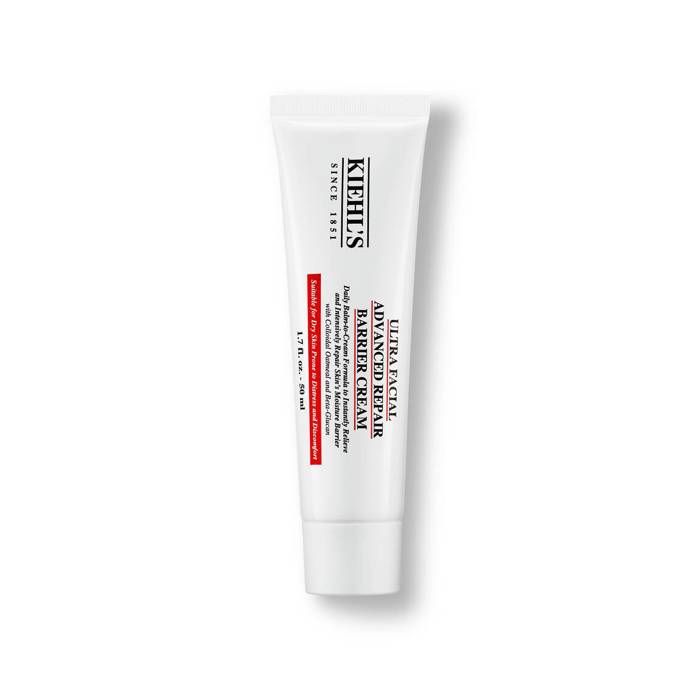


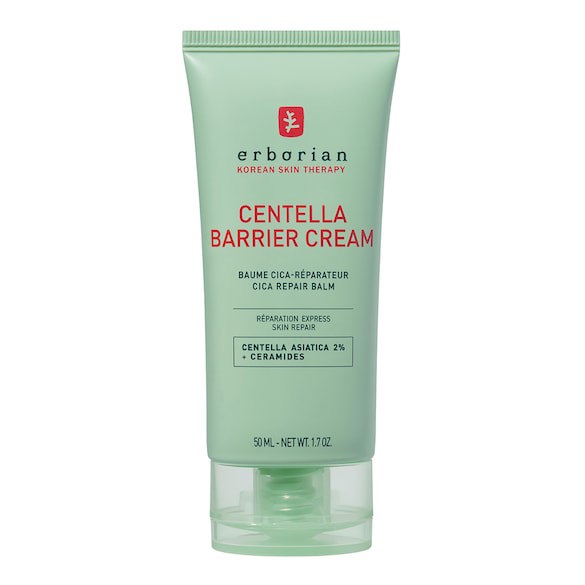


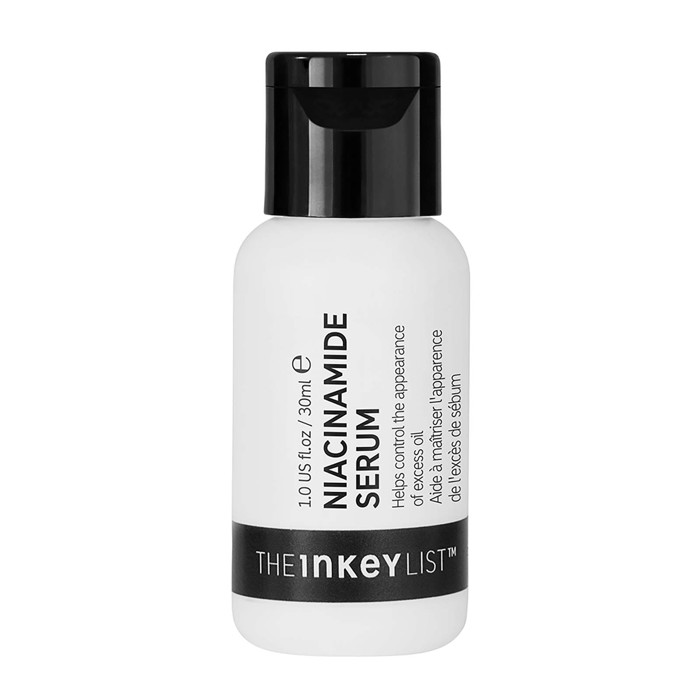


by Nedysia3/1/2022

Do you have skin tightness even after applying the cream? Do you feel burning when you use products that you previously tolerated perfectly? Do you notice sudden redness, flaking, or unusual sensitivity? You may have a compromised skin barrier.
Recently, this topic has become central to the world of skincare.
A healthy skin barrier is the skin's first line of defense: it protects against external agents, limits water loss, and helps maintain the balance of the skin microbiome.
When this barrier weakens, even the best skincare can feel ineffective. Before adding new products to the routine, it is therefore crucial to understand if the skin needs to be “repaired”.
In this guide, you'll learn how to recognize a damaged skin barrier, what causes it most frequently, and how to build an effective routine to help your skin regain comfort and radiance.
The skin barrier is the outermost layer of the skin, called the stratum corneum.
It can be imagined as a wall formed by skin cells joined by natural lipids such as ceramides, cholesterol, and fatty acids.
This structure performs fundamental functions:
When this “wall” between cells weakens, the skin loses moisture more easily and becomes more vulnerable to external agents.
Many symptoms can be confused with dry or sensitive skin.
In reality, a compromised barrier often has several signals at the same time:
The skin barrier is the skin's natural defense system: it protects against external agents and helps retain moisture.
When damaged, dryness, redness, sensitivity, itching, and an uncomfortable feeling of tight skin may appear. Among the most common causes are:
To promote the restoration of the skin barrier, it is important to simplify the routine, use delicate products and formulations rich in moisturizing and restorative ingredients, such as ceramides, glycerin, and panthenol, temporarily avoiding the most irritating active ingredients.
With the right attention, the skin can regain comfort, balance, and a healthy and radiant appearance
A cleanser that leaves the skin dry after rinsing regularly also removes some lipids needed to keep it protected.
A good cleansing must clean without leaving the skin dry.
Following every trend seen on social media can lead to the simultaneous use of vitamin C, retinol, AHAs, BHAs, peels, and exfoliants. An overly complex routine increases the risk of irritation.
Exposure to UV rays without adequate protection can progressively compromise the barrier function of the skin.
For this reason, SPF should be applied every morning, even when the sky is cloudy.
Climate and seasonal changes (intense cold, wind, air conditioning, and heating) can also contribute to skin dehydration.

The good news is that, in most cases, the skin barrier can recover with a simple and consistent routine.
Simplify skincare: for a few days, reduce your routine to the essentials:
When the skin barrier is damaged, using the right active ingredients can promote skin recovery and help restore skin comfort and hydration.
Among the most suitable ingredients are ceramides, which help replenish lipids naturally present in the skin barrier, and panthenol (provitamin B5), known to help keep the skin soft and give a pleasant feeling of comfort.
Niacinamide can also support barrier function and help make the complexion more even; if your skin is particularly irritated, it is advisable to choose gentle formulations and gradually introduce them into your routine.
The treatment is completed by squalane, an emollient that helps counteract the feeling of dryness without weighing down the skin, and glycerin, an effective humectant that draws water into the superficial layers of the skin, promoting an optimal level of hydration.
To promote the restoration of the skin barrier, it is important to simplify the skincare routine, temporarily suspending the most intense active ingredients if the skin appears irritated or sensitized.
At this stage, it is advisable to avoid chemical peels, mechanical scrubs, retinol, and high-concentration exfoliants, which could increase the feeling of discomfort and slow down recovery.
Once the skin has regained comfort and stability, these treatments can be gradually reintroduced.
Another key step is the daily application of a broad-spectrum sunscreen. When the skin barrier is compromised, in fact, the skin is more exposed to the harmful effects of UV rays and external agents.
Protecting your skin every day helps support the repair process and keep your skin healthier, more resilient, and hydrated over time.
When the skin barrier is damaged, a simple and consistent skincare routine can help the skin regain comfort, hydration, and softness.
Remember that when it comes to restoring a compromised skin barrier, consistency is more important than the number of products used.
An essential routine, followed regularly and consisting of gentle formulations, is often the best choice to promote the recovery of healthy and balanced skin.
How long does it take to restore the skin barrier? It depends on the causes and condition of the skin.
Typically, the first improvements can be felt within a week or two with a gentle routine. If the damage is more pronounced, recovery may take longer.
Mistakes to avoid:
If your skin appears irritated, dehydrated, or particularly sensitive, adding new treatments may not be the solution. It's often more helpful to simplify your routine and focus on restoring barrier function.
With gentle cleansers, ingredients such as ceramides, panthenol, niacinamide, squalane, and daily sun protection, you can help your skin progressively regain balance, comfort, and radiance.
Taking care of the skin barrier means investing in the health of the skin eventually: a strong base makes each subsequent treatment more effective and better tolerated. 💪

