

 Canada (CAD)
 France (EUR)
 Germany (EUR)
 Italia (EUR)
 Spain (EUR)
 UK (GBP)
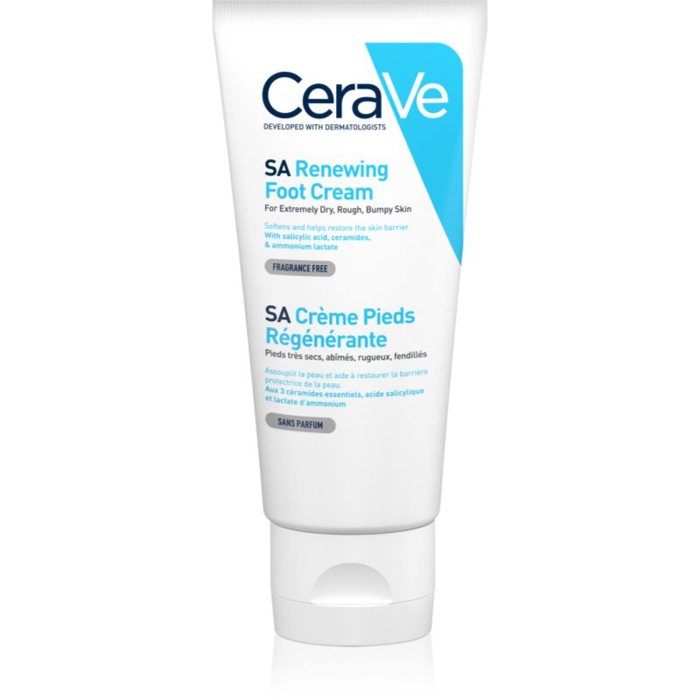

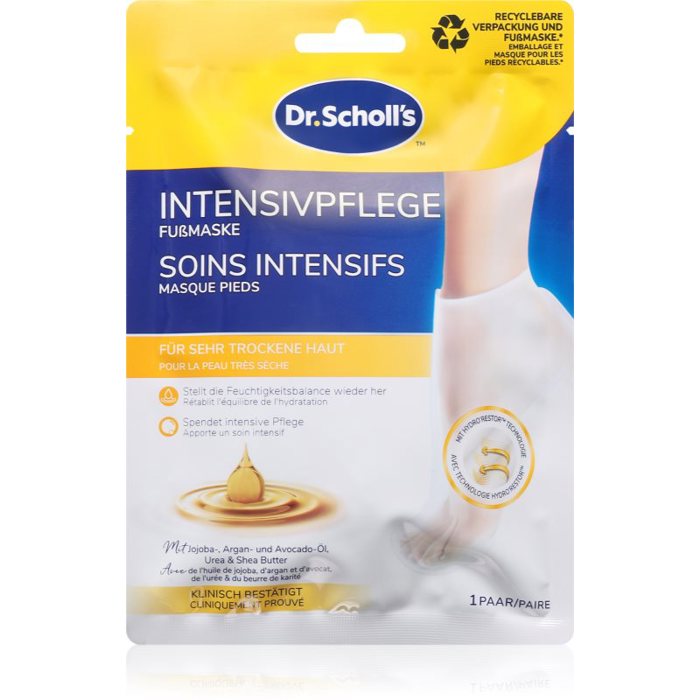


by Nedysia7/30/2022

Treating dry and cracked feet requires a targeted skincare routine, especially when the skin appears rough, thickened, or has small cracks on the heels and soles of the feet.
The skin of the feet is, in fact, up to eight times thicker than that of the face and, unlike the latter, it is devoid of sebaceous glands; for this reason, it tends to easily lose moisture and develop harder and drier areas.
A proper routine can help counteract these blemishes and keep the skin softer, smoother, and looking well-groomed.
The skin on the feet tends to dry out and crack more easily than other areas of the body because it is naturally thicker and subjected to rubbing, pressure, and temperature changes every day.
In addition, the heel area has few sebaceous glands, so it produces fewer natural oils that can keep the skin soft and hydrated.
Closed shoes, very hot showers, harsh detergents, and poor hydration can also contribute to the loss of elasticity, promoting the appearance of rough, dry, and cracked skin.
For this reason, a skincare routine dedicated to the feet can help nourish the skin and keep the heels softer and smoother.
Before intervening with treatments, it is useful to identify the factors that promote skin dryness:

Treating dry and cracked feet requires a targeted skincare routine, especially when the skin appears rough, thickened or has small cracks on the heels and sole.
The skin of the feet is in fact up to eight times thicker than that of the face and, unlike the latter, it is devoid of sebaceous glands: for this reason it tends to easily lose moisture and develop harder and drier areas.
A proper routine can help counteract these blemishes and keep the skin softer, smoother, and looking well-groomed.
Having dry feet, cracked heels, and rough skin is a very common problem, especially during the colder months or after the summer, when the leather has been exposed to the sun, sand, salt water, and open footwear.
The good news is that with a simple and consistent skincare routine for your feet, you can improve the appearance of your skin and regain softer, smoother, and more cared-for heels.
But what are the fundamental steps?
And which products to choose to take care of dry and cracked feet without further stressing the skin?
Having soft, hydrated, and well-groomed feet does not require complicated treatments, but above all perseverance and the right gestures.
A simple routine, repeated regularly, can help counteract dryness, roughness, and thickening, keeping the skin more elastic and healthy-looking.
Here are the 5 essential steps to include in your beauty routine to take care of your feet every day.
1. The emollient foot bath (1-2 times a week)
The first step can be a foot bath, useful for softening the skin and preparing it for subsequent treatments.
After drying your feet thoroughly, you can gently work on the thickest areas, avoiding stressing the skin.
Soak your feet in warm water for 10-15 minutes; add bath salts or a few drops of lavender essential oil to soften the superficial layers.
Avoid baths that are too long so as not to further dehydrate the skin.
2. Gentle exfoliation
Remove dead skin cells without attacking the skin barrier. Use a granulated foot scrub or wet pumice stone, working in light circular motions on the heels. Avoid metal rasps or blades, which can create micro-cracks and stimulate reactive hyperkeratosis.
3. Daily hydration
The fundamental step, however, remains daily hydration: among the most suitable ingredients to take care of dry and chapped feet, we find urea, particularly appreciated in formulations dedicated to very dry skin, and shea butter, known for its emollient and nourishing properties.
Applying a specific cream consistently, focusing on the heels and the sole of the foot, allows you to include foot care in your skincare routine just as it happens for the face, hands, and body.
The ingredients to look for on the label
When your heels are particularly dry, you can turn your evening routine into a real intensive treatment.
Apply a generous layer of urea and shea butter-based emollient cream before going to sleep on your heels and leave it on overnight. Wear a pair of breathable cotton socks to promote the penetration of active ingredients and avoid product dispersion.
This small evening ritual takes a few minutes, but it can become a great habit to keep your skin softer.
Once you have achieved the desired result, do not abandon the routine.
Simplicity is an advantage: a short routine is easier to maintain regularly.
To keep your feet soft, continue to:
The answer depends on the level of dryness, the condition of the skin, and the consistency of the routine.
If your feet are simply rough, gentle exfoliation can help temporarily improve the texture and make it smoother.
When, on the other hand, the heels appear very dry, thickened, or cracked, it is preferable to focus on the hydration and emollient action of a urea cream formulated for this specific need.
In any case, it is better not to overdo it with limes, rasps, and aggressive scrubs in an attempt to get straight feet: too intense exfoliation can irritate the skin and compromise its barrier.
In many cases, proper daily hydration can quickly improve the feeling of softness.
For very thickened or chapped skin, on the other hand, more constant and prolonged treatment may be necessary.
The goal should not be to get perfect feet in a single night, but to build a routine that allows you to keep them soft, hydrated, and smooth over time
The goal is not to remove as much skin as possible, but to take care of it with the treatment that best suits its condition.
When it comes to skincare, getting things right is just as important as knowing what not to do.
Often, without realizing it, we adopt small habits that risk nullifying the effectiveness of our favorite products or, worse, compromising the skin barrier.
Before revamping your routine, make sure you don't make these common mistakes:
Caring for dry and cracked feet doesn't necessarily require a complex routine.
Gentle cleansing, moderate exfoliation, and above all, daily hydration are the pillars to improve the appearance of the skin and keep the heels softer and smoother.
The key, however, is regularity: a simple but consistent routine can help improve the appearance of the skin and restore softness, elasticity, and comfort to the feet, especially during periods when they tend to become drier and more cracked.

